




New Patient Process
Already received a diagnosis? Click Here
one
Psychological Intake
First, we will ask your patient history followed by the reason for your visit. Then you will receive your testing proposal.
two
Psychological Testing
After your intake, you will complete the recommended testing based on your initial assessment.
three
Psychological Feedback
Upon receiving your testing results, you will receive your diagnosis. You will then receive recommendation for treatment.
four
Therapeutic Treatment
Lastly, you will pursue therapeutic interventions based on the recommendation at your feedback session.














Team-Oriented Multidisciplinary Treatment
Mind and Motion Developmental Centers of Georgia is a collaborative treatment facility in Johns Creek, GA. We are comprised of over 20 clinical practitioners with over 75 years of combined experience. Mind and Motion Centers offers a set of uniquely comprehensive and integrated health services that focus on addressing developmental disorders and delivering improved outcomes that strive to achieve the optimized potential of each individual regardless of age. Our mission is to create a model practice that, combined with research and cutting-edge technologies, can become a national and world standard for applying brain-behavior sciences in actual practice.


Allied Health Services
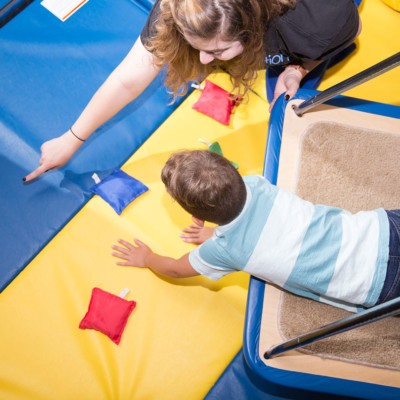
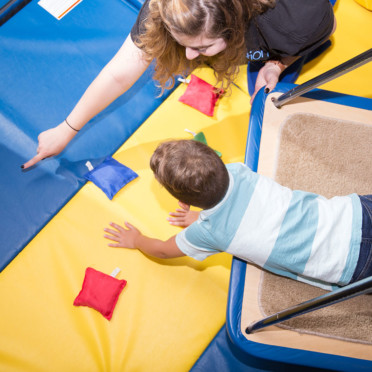
Mind and Motion’s Allied Health team specializes in using a multidisciplinary approach, where our Speech, Occupational and Physical Therapists provide quality services for children with a variety of needs.

Psychological Testing
Mind & Motion’s Psychological testing is a comprehensive assessment of an individual comprised of a clinical interview and various psychological tests that reveal various cognitive and emotional characteristics of the person.
Psychotherapy Services
Psychotherapy services provided by the professionally trained and licensed staff at Mind and Motion Center provide the services of professional guidance in treating a range of mental health disorders, as well as social / emotional difficulties.

Neurotherapy & Biofeedback Services
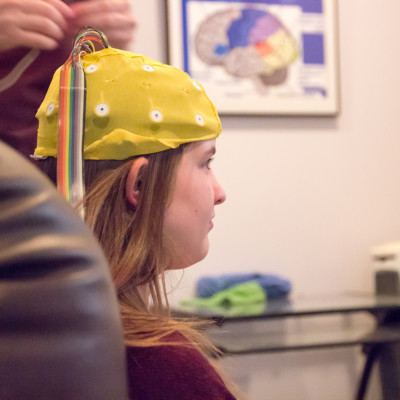
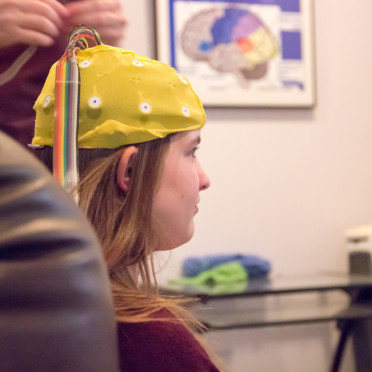
Mind & Motion’s Neurotherapy provides methods of stimulation and training which corrects electrical activity imbalances and often has an effect to influence neurochemical activity resulting in improved functioning.
Group Offerings

Parent Support Groups
An online psycho-educational support group for parents of children with difficulty self-regulating, staying calm, or managing emotions.
Social Skills Groups
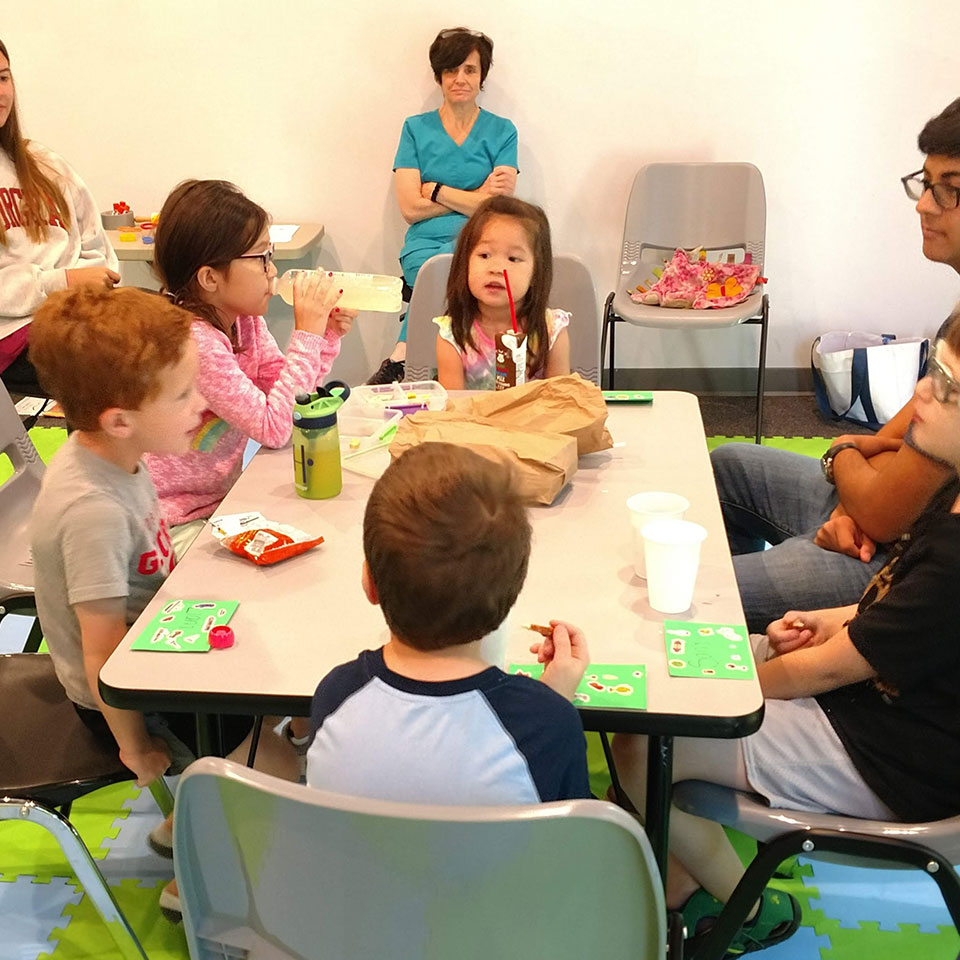
Our social skills groups strengthen the skills we use everyday to interact and communicate with others through games and activities. We address verbal and non-verbal communication, such as
Therapeutic Summer Camps
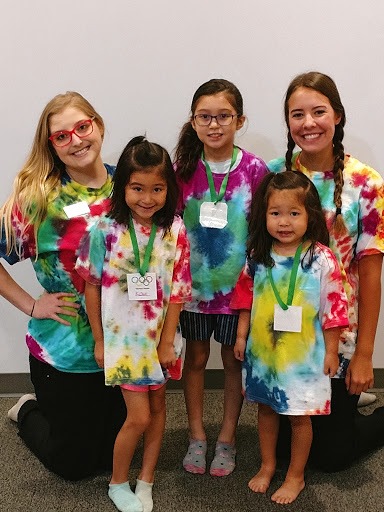
therapeutic summer camps to address multiple different skills needed for everyday life
What Our Clients Are Saying
The therapists are wonderful with my son. I love how they take the time with me to explain to me what’s going on and what are the next steps.
Jammie J.
I have had an excellent experience with Erika of Mind and Motion! We are foster/adoptive parents and we have had three children who have seen Erika. Each child has had different needs and she has helped each one tremendously. She cares deeply about the children she helps and is always very responsive when we have any questions or concerns. I truly can’t say enough about the service our children have obtained at Mind and Motion over the years.
Darlene T.
I’ve always had a good experience with the staff in the front and back of the house. They’re professional and handle some pretty difficult situations with grace. They communicate well with the parents and work well with the children. Been going here about 6 weeks for various therapies at the time of this review.
Allen P.
From intake to provision of long term services, Mind and Motion has been professional and helpful. They provide a variety of services and streamline the process for clients. Our young daughter loves her energetic, fun, and creative occupational therapist and we have seen improvements in a short time. As a parent, this one stop shop for services has streamlined everything immensely. I only wish I had found Mind and Motion sooner. They accept our insurance too!
Stephanie B.
Our family has been receiving services at Mind and Motion for six years in Occupational Therapy and Neurofeedback. We have worked with several different therapists and have had great experiences with all of them. We have developed a relationship of trust and friendship with our therapists that makes them feel like family to us. My kids have always been treated with respect, care and kindness from the entire staff and have made significant progress under their care. I recommend Mind and Motion often to friends seeking therapy services for their kids!
Anonymous
I have three special needs children each with their own unique needs. I love that Mind and Motion is a comprehensive practice that has allowed each of my children to get the support they need at the same place! In addition, the support they received at Mind and Motion has topped other places we have tried in the area. They have been our favorite center for years because of the quality of care, convenience, and the wonderful memories my children have made there.
Jenna C.
An entire facility of heartfelt wonderful people who work so hard and inspire kids to better themselves in the best of ways. I could never say enough amazing things about this wonderful organization and the people who work there.
Rachael L.
They do great quality care with my son. I had tons of questions and they helped me from start to finish and made sure me and my son where in good hands. Thank you so much to Zulema for being so professional and helpful during this tough time while covid was at large. Highly recommend.
Jasmine J.
Check out Mind & Motion’s Reference Collection
Mind & Motion’s reference pages can help you find the service that is best suited to help you.